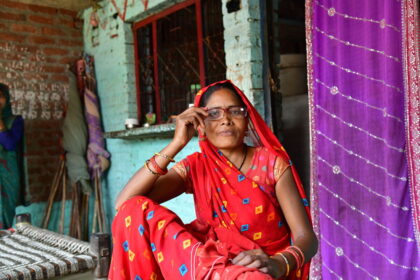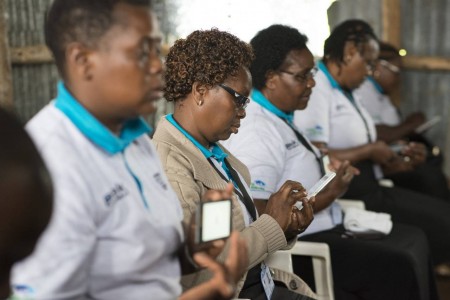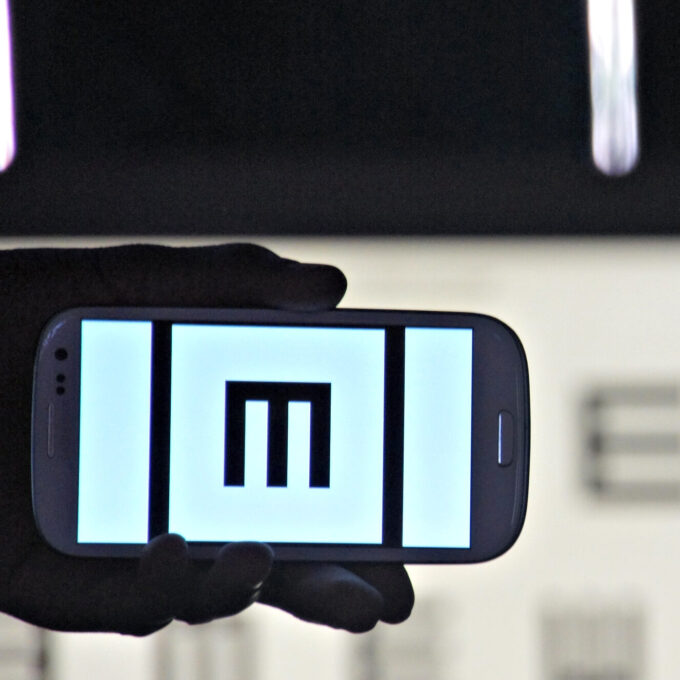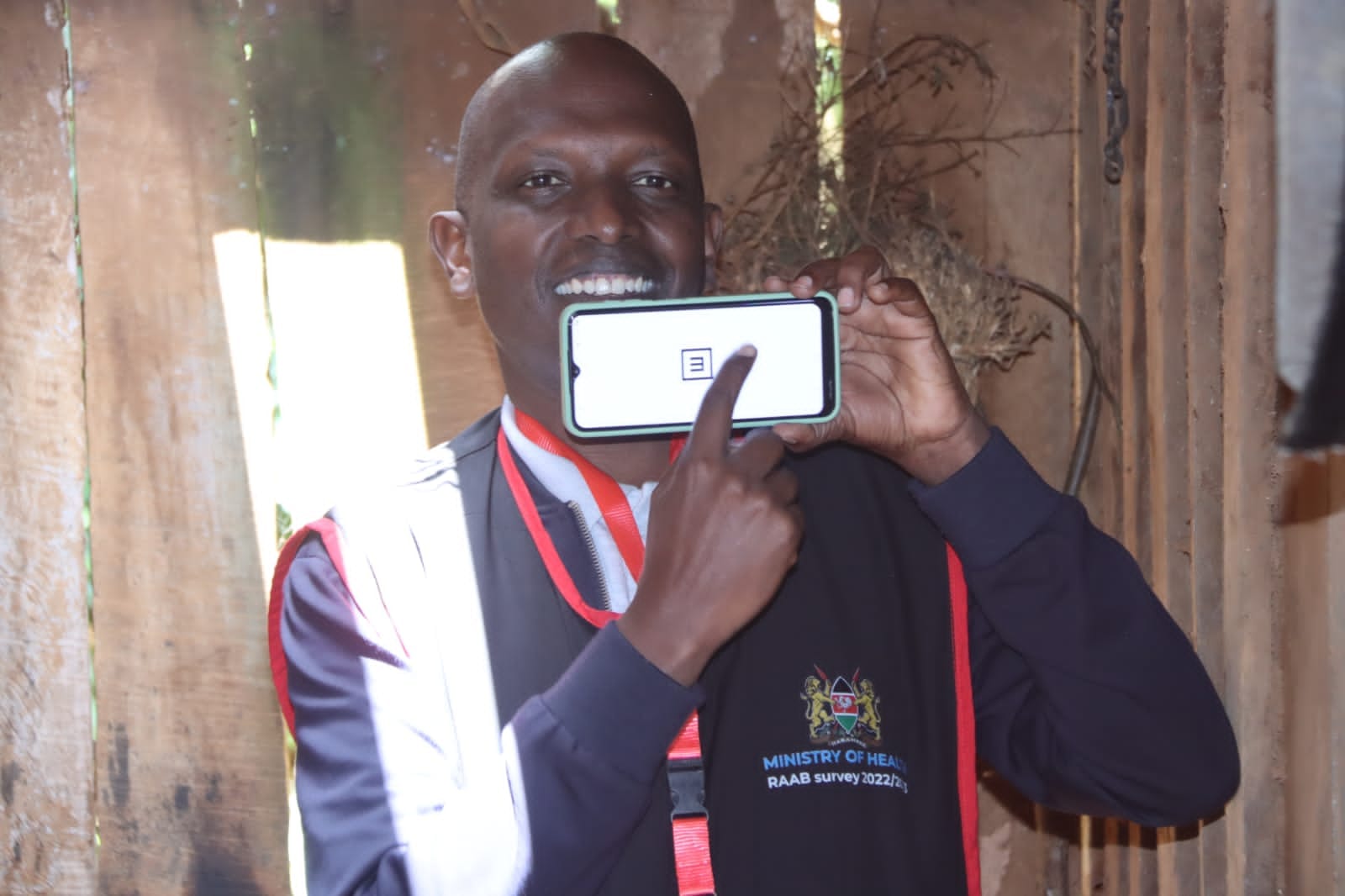
Dr Hillary Rono conducting a RAAB7 in Kenya
Credit: CBM / Peek Vision
Peek Vision and the International Centre for Eye Health (ICEH) at the London School of Hygiene & Tropical Medicine have announced a joint commitment to provide free RAAB7 and SEHRA survey software licences until the end of 2030. The initiative aims to help countries generate the data they need to plan, monitor and improve eye health services.
The commitment was announced as part of the first Global Summit for Eye Health in Antigua and Barbuda, which is calling on governments, NGOs, funders and the private sector to make ambitious commitments to end avoidable sight loss.
From January 2027, free software licences will be available for the Rapid Assessment of Avoidable Blindness (RAAB7) and the School Eye Health Rapid Assessment (SEHRA), two leading population-level eye health survey tools delivered through the Peek software platform.
Governments need reliable data to understand their populations’ eye health needs, identify gaps in services and decide where to invest. Yet in many countries, this information is limited or out of date. Some countries have not conducted a RAAB survey for more than ten years, and data on school-going children is often overlooked.
By removing software licence costs, Peek and ICEH aim to make high-quality eye health data more accessible, helping countries identify unmet needs, target resources and track progress towards global eye health goals.
Farhana Rehman-Furs, Head of Global Partnerships at Peek Vision, said:
“Better data means better eye care. Many countries are planning eye health services without current data on who needs care and whether they are getting it. By removing software licence costs for RAAB7 and SEHRA, we want to make it easier for governments and their partners to get that evidence and act on it.
“We’re inviting eye health organisations and governments to join us in turning this commitment into impact. If you’re planning a survey, or would like to, we’d love to hear from you.”
Professor Matthew Burton, Professor of Global Eye Health and Co-Director of the International Centre for Eye Health at the London School of Hygiene & Tropical Medicine, said:
“For more than two decades, RAAB has been the backbone of what we know about vision loss around the world. Its data shape global estimates and national plans alike. But in too many places there is either limited or no data.
“As part of our commitment, ICEH will provide technical support for RAAB7 survey planning, training and analysis free of charge. We want to make sure more countries can access the tools they need to conduct RAAB surveys, so that governments can set targets, track effective cataract and refractive error coverage, and demonstrate what investment in eye health achieves.”
What the commitment includes
RAAB7 – Rapid Assessment of Avoidable Blindness
RAAB7, co-developed and maintained by ICEH and Peek, is a leading population-based survey tool for assessing vision impairment and blindness in adults aged 50 and over. Since 2000, it has been used in more than 400 surveys across 85 countries, providing vital evidence for national eye health planning and global estimates of sight loss.
It measures the prevalence and causes of sight loss, alongside effective cataract surgical coverage (eCSC) and effective refractive error coverage (eREC), two indicators used to monitor progress towards WHO’s 2030 eye health targets.
Up to 50 free RAAB7 survey licences will be available each year in any location, until the end of 2030.
SEHRA – School Eye Health Rapid Assessment
SEHRA helps governments and organisations assess the eye health needs of school-going children and plan effective school eye health services. Since 2023, it has been used in 10 countries, surveying more than 54,000 children. It provides data on children’s vision, the quality of refractive error services and readiness for school eye health programmes.
Free SEHRA licences will be available for:
- Up to two nationally representative surveys globally each year
- Up to four regional surveys per year in each of Kenya, Nigeria, Pakistan, India and Ethiopia
- Surveys within Peek-powered school eye health programmes
For RAAB7 and SEHRA, the free licences include technical support for survey planning and implementation, software for data collection and analysis, and summary data reports.
Implementing organisations remain responsible for in-country survey costs, including survey teams, equipment, training logistics and treatment.
Governments and eye health organisations interested in conducting a RAAB7 or SEHRA survey are encouraged to get in touch.
Learn more about our Commitment here.