



Background
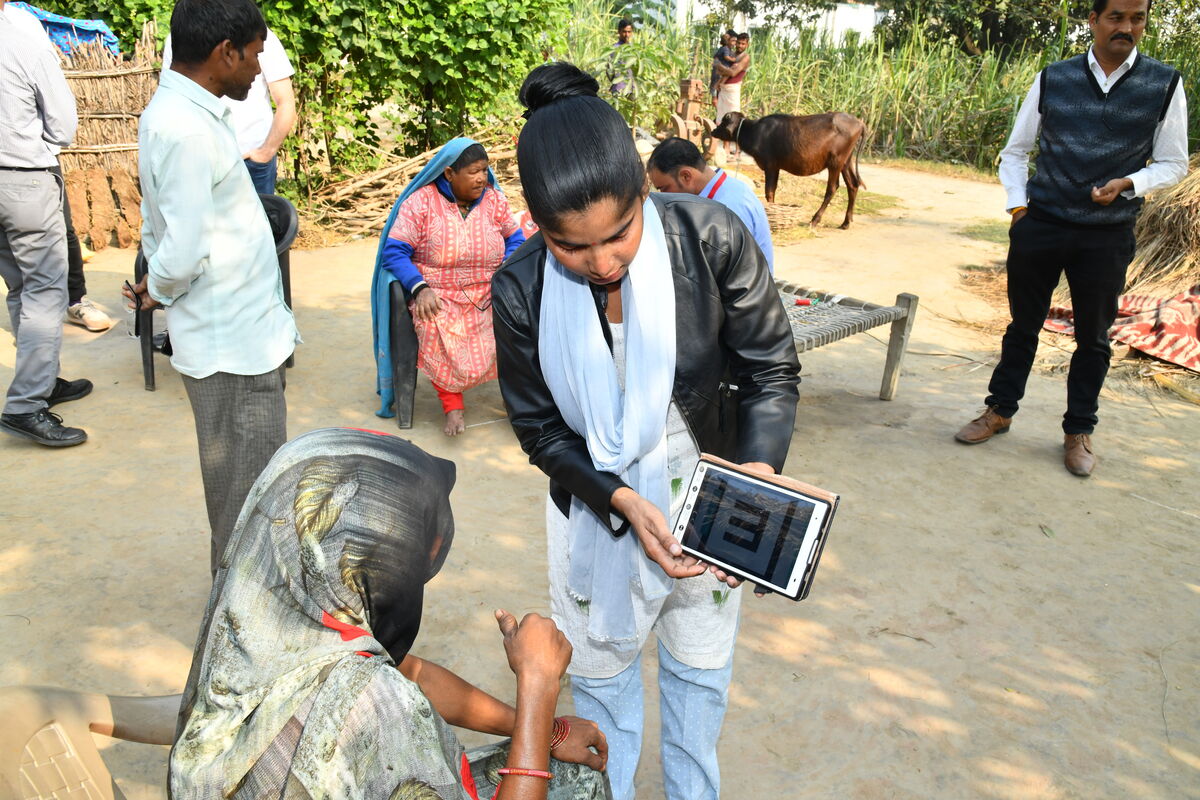
Around the world, millions of people live with vision problems that could be prevented or treated with simple care such as eye tests, glasses or cataract surgery. Despite this, many people who are identified as needing eye care never go on to receive it. Barriers include lack of awareness, fear, mistrust of health services, distance and cost. Community screening programmes help identify people in need, but referral follow-up remains a challenge. Screeners are often under pressure to work quickly, even though they represent a person’s first interaction with the health system. This research explores whether creating more time for human connection can improve access to care.
What are we investigating?
- Screeners are given a half day workshop on compassion in healthcare, and are directed to spend about 10 minutes extra time (compared to 6 minutes average in usual practice) with people who need referral to a specialist.
- We are evaluating whether adding this extra time and structured conversation increases attendance rates at local vision centres, despite reducing the number of screenings completed per day. The study will also evaluate whether screeners’ job satisfaction and wellbeing improves compared to normal practice.
- The study will also indicate whether a low-cost, low-risk change like intentional listening could be feasibly scaled across eye health programmes.
This research is testing a simple but powerful idea – that we don’t live in alignment with our values when we are under stress and that spending more time with patients can help more of them reach the care they need. Typically eye health screeners are directed to reach as many patients as possible in the time they have. But we think it might be possible to improve the number of people who reach care after being identified as having an eye health need, simply by slowing down, taking more time to listen and to build a meaningful connection. Peek tools are supporting the research by giving screeners the right tools, data and insights to improve care without adding complexity or cost.”
Professor Andrew Bastawrous
Study lead author and Peek CEO & co-founder
Collaborators
- Peek Vision
- Dr Shroff’s Charity Eye Hospital
- International Centre for Eye Health at London School of Hygiene & Tropical Medicine
Funding
What’s next?
The study is currently underway, embedded in a Peek-powered community eye health programme in Uttar Pradesh, India. It is expected to conclude in mid-2026 and the findings will be submitted to a peer-reviewed journal for publication.
Share


Trialling compassion
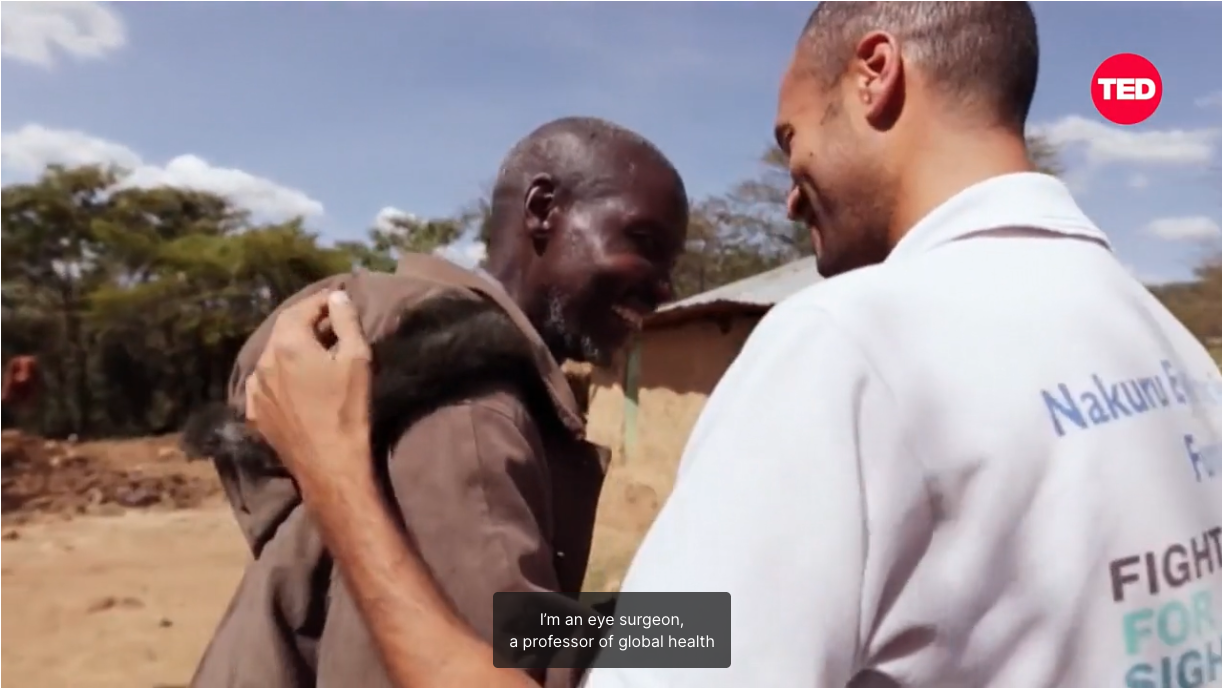
A TED Fellows interview with Peek CEO Andrew Bastawrous about our work with our partners in this trial