




Because the trial was embedded within the Peek system, many tasks were easily automated. Peek software enrolled and randomised participants, sent the appropriate SMS messages, and analysed attendance data on a weekly basis to assess whether the new approach was working. This considerably reduced administrative effort while maintaining scientific rigour.
David Munyendo, CBM Kenya Country Director and study co-author, said: “This approach makes it much easier for us to test what works within eye health services and act quickly on the results. By embedding these tests into the Peek platform, we can generate rapid, reliable evidence and use it straight away. Given the scale of our work in Kenya and beyond, this has real potential to improve access to care for large numbers of people.”
The Meru County research forms part of a wider multi-country initiative to develop faster, more affordable ways for eye health services to evaluate what works, without the significant time and financial commitment required by traditional trials.
Study co-author Prof Andrew Bastawrous, Peek Vision CEO and Professor at the International Centre for Eye Health, said: “Trials typically take a long time to set up, are expensive to run, and the solutions are proposed by researchers. In this study, the ideas came from people who were most often left behind, and the results were rapid. We’re looking forward to supporting more programmes with tools that help services respond quickly to real, nuanced needs.”
Peek Vision is now working to fully integrate this new methodology into its product, so all Peek partners will ultimately be able to rapidly and reliably test different ways to increase access to eye care services within their own programmes.
The research was funded by the UK’s National Institute for Health Research (NIHR), using UK Official Development Assistance funding, and Wellcome Trust under the NIHR-Wellcome Partnership for Global Health Research.
Share


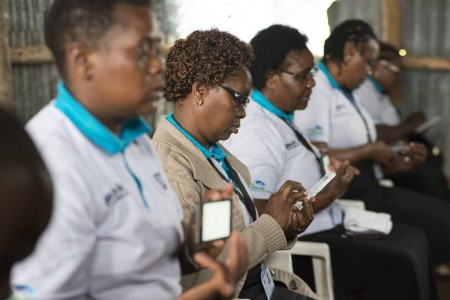
Major new research programme could fast-track health service improvement in low and middle-income countries
Read more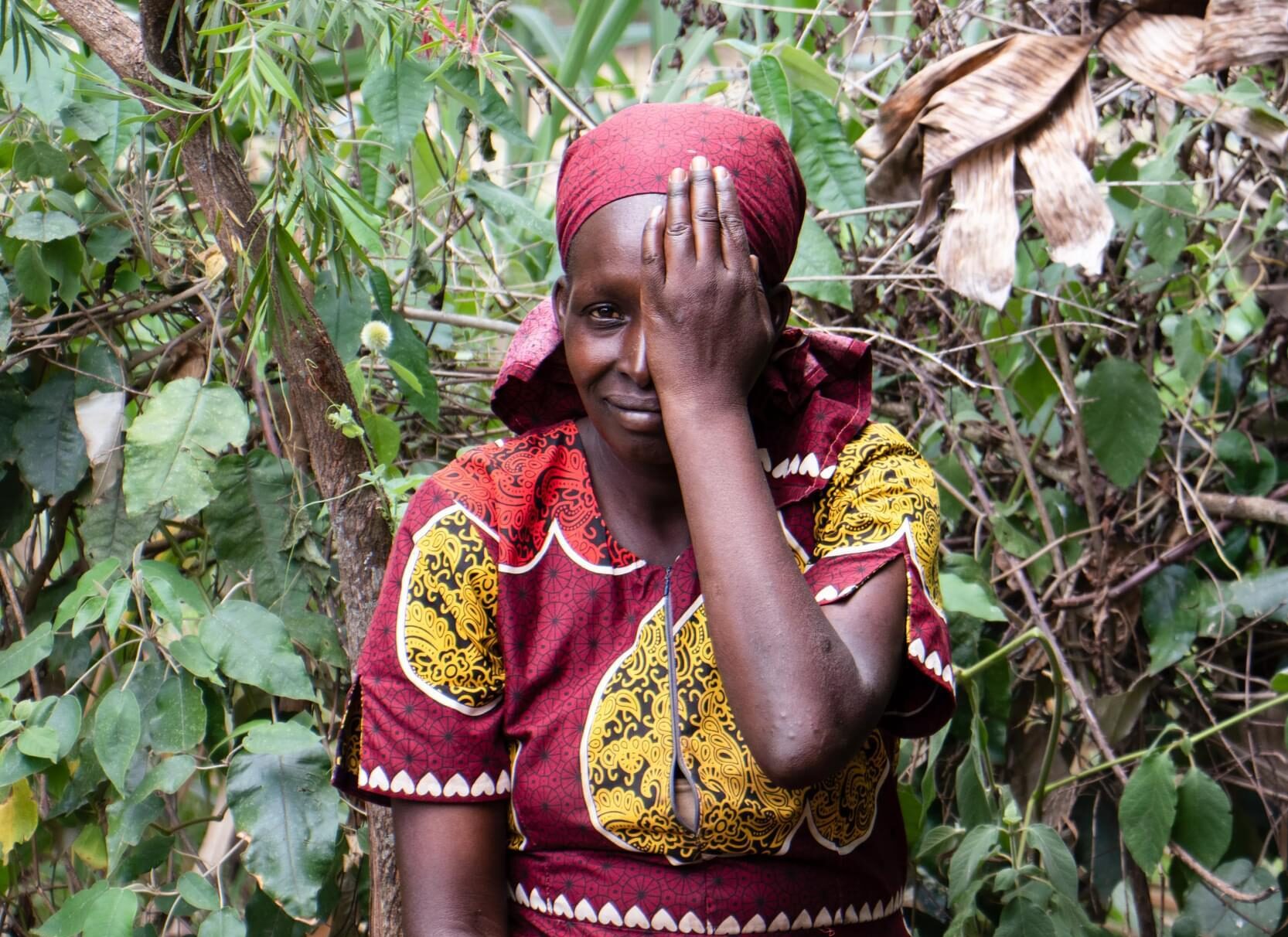
Kenya’s Vision Impact Project reaches one million people in its first year
Read more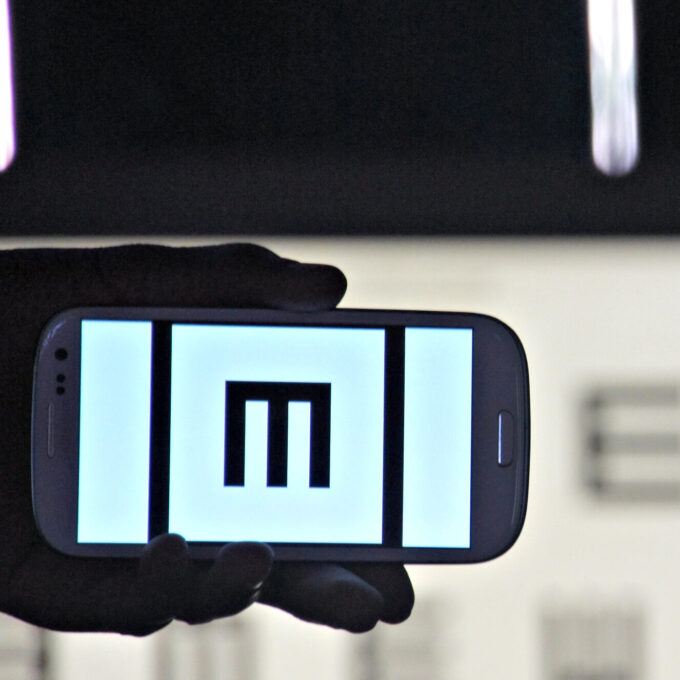
Our evidence base
Peek tools are developed using rigorous scientific and public health methods, and are backed by numerous peer-reviewed research studies.
Read more